




Contents
- 1 The Electric Violin: Blending Classical Elegance with Modern Innovation
- 1.1 A Modern Twist on a Classical Icon
- 1.2 A Brief History of the Electric Violin
- 1.3 How the Electric Violin Works
- 1.4 The Sound of the Electric Violin
- 1.5 Why Musicians Love the Electric Violin
- 1.6 Electric Violins in Australia
- 1.7 Choosing Your First Electric Violin
- 1.8 The Future of the Electric Violin
- 1.9 Conclusion: Tradition Meets Tomorrow
- 1.10 The Haunting Sounds of the Violin
- 1.11 An Introduction to the Violin
- 1.12 The Ultimate Guide to the Violin, Viola, and Cello
The Electric Violin: Blending Classical Elegance with Modern Innovation
A Modern Twist on a Classical Icon
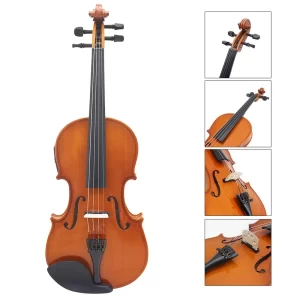 For centuries, the violin has been a symbol of grace, artistry, and emotion. Its warm, expressive tone has enchanted audiences in concert halls and folk festivals alike. But as music evolved, embracing amplification, effects, and digital production, so too did the violin.
Enter the electric violin, a stunning fusion of classical craftsmanship and modern innovation. With its futuristic design and amplified sound, it has become a favourite among experimental musicians, contemporary composers, and live performers who want to push the boundaries of what string instruments can do.
A Brief History of the Electric Violin
The electric violin isn’t as new as many people think. Early versions appeared in the 1920s and 1930s, around the same time as the first electric guitars. Musicians and inventors were eager to overcome the limitations of acoustic projection, especially when playing with larger, louder ensembles.
By the 1960s and 1970s, as rock and jazz fusion gained popularity, the electric violin began making waves. Artists like Jean-Luc Ponty and Sugarcane Harris brought it into the spotlight, proving that it could hold its own alongside electric guitars, keyboards, and drums.
In more recent years, the instrument has evolved further, with brands like Yamaha, NS Design, and ZETA creating sleek, high-performance models that combine elegant design with advanced electronics. Today, electric violins are used in everything from classical crossovers to electronic dance music (EDM) and film scores.
How the Electric Violin Works
Unlike a traditional violin, which relies on a hollow wooden body to resonate and amplify sound, an electric violin uses pickups to convert string vibrations into electrical signals. These signals are then sent to an amplifier or sound system, allowing the player to adjust volume, add effects, or even loop their performance.
Some electric violins are “solid body,” meaning they don’t have a resonating chamber at all. This design helps reduce unwanted feedback and gives players a clean, consistent tone, perfect for amplified settings.
Most models feature:
-
-
- Magnetic or piezo pickups (for sound capture)
- Volume and tone controls
- Output jacks or wireless connections
- Lightweight, ergonomic designs
- Optional effects compatibility, such as reverb, delay, or distortion
-
This technology gives musicians far more control over their sound, from soft, intimate tones to electrifying stage performances.
The Sound of the Electric Violin
One of the electric violin’s greatest strengths is its versatility. While it can mimic the tone of an acoustic violin, it can also produce entirely new sounds. Musicians can experiment with:
-
-
- Distortion for rock and metal tones
- Reverb and echo for atmospheric effects
- Looping pedals for layered compositions
- Synth and MIDI integration for futuristic electronic sounds
-
This flexibility makes the electric violin an exciting tool for creative expression. Whether played in a symphony orchestra, a jazz band, or a solo live-looping performance, it offers an incredible range of possibilities.
Why Musicians Love the Electric Violin
-
- Creative Freedom
The electric violin allows players to step beyond the classical repertoire and explore genres like rock, pop, funk, and even hip-hop. Artists can use effects pedals, backing tracks, and digital tools to create their own signature sound.
-
- Stage Power
In amplified environments, from festivals to concert stages, the electric violin shines. It eliminates the feedback and mic placement issues that often plague acoustic violins, offering clarity and consistency no matter the venue.
-
- Versatile Recording Options
Recording with an electric violin is straightforward. Musicians can connect directly to audio interfaces or recording software, capturing clean signals without background noise. This makes it ideal for home studios and professional productions alike.
-
- Modern Aesthetic
Electric violins often feature striking, minimalist designs. From carbon-fibre frames to transparent acrylic bodies, they make a bold visual statement, a fusion of art and technology.
Electric Violins in Australia
Australia has a vibrant community of string players embracing the electric violin. From buskers in Melbourne’s laneways to performers at the Woodford Folk Festival, musicians are using the instrument to reimagine traditional and contemporary sounds.
Australian artists are incorporating electric violins into folk-rock bands, film compositions, and even electronic music projects. Its ability to blend with both acoustic and digital instruments makes it perfect for Australia’s diverse and innovative music scene.
Music schools and conservatories are also recognising its value, offering courses that include electric string performance and recording techniques. This new generation of violinists is redefining what it means to play a string instrument in the 21st century.
Choosing Your First Electric Violin
If you’re considering joining the movement, here are a few tips for selecting your first electric violin:
-
-
- Start with quality brands: Yamaha, Stagg, NS Design, and ZETA offer reliable models for beginners to professionals.
- Decide on your purpose: A solid-body electric is great for live performance, while semi-acoustic models are better if you still want some natural resonance.
- Check connectivity: Make sure it’s compatible with amps, effects pedals, and recording gear.
- Comfort matters: Try out different designs to find one that feels natural in your hands.
- Experiment: The joy of the electric violin lies in discovering your own sound, so don’t be afraid to play, tweak, and explore.
-
The Future of the Electric Violin
As technology advances, so does the potential of the electric violin. We’re already seeing instruments with wireless connectivity, built-in effects, and even Bluetooth MIDI capability.
In a world where musicians are constantly blending genres and reinventing tradition, the electric violin represents the perfect balance between history and innovation. It’s a symbol of how creativity and technology can coexist, transforming something centuries old into something excitingly new.
Conclusion: Tradition Meets Tomorrow
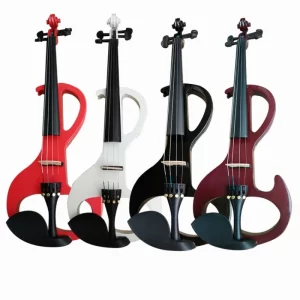 The electric violin is more than just an amplified version of a classical instrument; it’s a bridge between eras, styles, and cultures. It honours the elegance of its acoustic ancestor while embracing the limitless potential of modern sound.
Whether you’re a classical musician seeking new inspiration or a modern performer looking to experiment, the electric violin offers endless creative possibilities. Its voice, clear, expressive, and powerful, continues to inspire musicians across Australia and around the world.
So, plug in, turn up the volume, and let your imagination lead the way.